
Ask a Lawyer

Can police enter or search my home without a warrant?

Many people assume police always need a warrant to enter a home or search private property. However, under New South Wales law, police can enter or search property without a warrant in certain situations. Understanding when police can lawfully exercise these powers, and what your rights are during a search, is important, particularly where criminal […]

Can police enter or search my home without a warrant? Read More »

My teenager wants to host his 18th birthday party at home: What should I know?

Planning and hosting a birthday party can be fun, but it is important to understand the risks involved. Many things can go wrong, but most are completely preventable; all it takes is a little bit more effort and planning from parents. As a parent, hosting an 18th birthday party could expose you to legal liability,

My teenager wants to host his 18th birthday party at home: What should I know? Read More »

When sideline behaviour becomes a criminal offence

Weekend sport is a significant part of family life across New South Wales. Parents regularly spend their weekends supporting their children from the sidelines, encouraging them and sharing in their successes and disappointments. While most sporting events are enjoyed without incident, emotions can sometimes run high. Disagreements with referees, coaches, opposing parents, or spectators can

When sideline behaviour becomes a criminal offence Read More »

If someone taped me without permission, can the police still use it?

It might seem obvious that if a recording took place without your knowledge or consent, it should not be used against you. However, in New South Wales, the reality is more complicated. Is it illegal to secretly record someone? Generally, yes, it is illegal to secretly record someone. Under the Surveillance Devices Act 2007 (NSW),

If someone taped me without permission, can the police still use it? Read More »

From prison to freedom: How parole and non-parole periods work in NSW

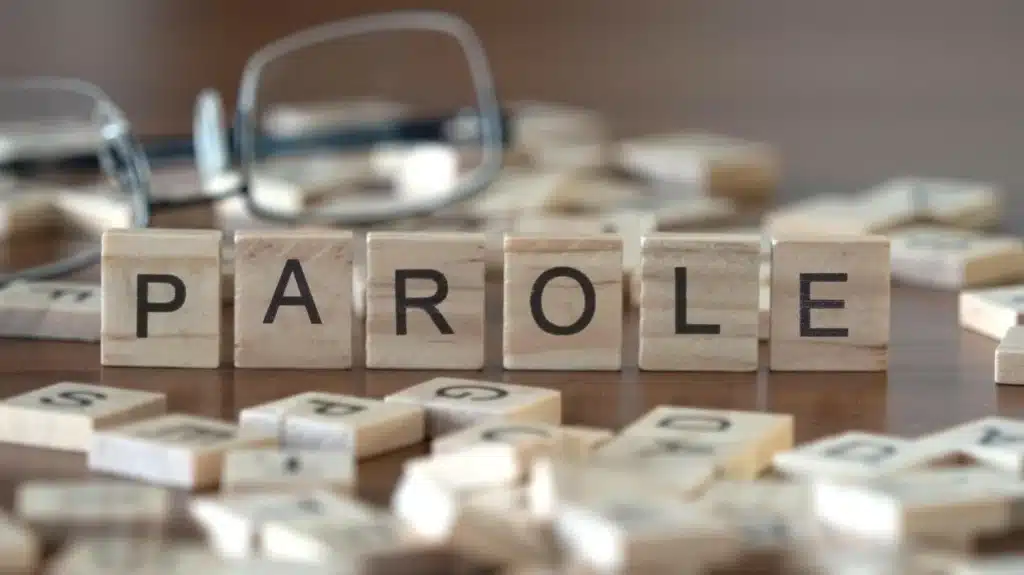
When someone is sentenced to prison in New South Wales, their sentence is usually divided into two parts: a non-parole period and a parole period. Understanding the difference between these is critical, as it determines when a person may be released and what happens after they leave custody. What is a non-parole period? The non-parole

From prison to freedom: How parole and non-parole periods work in NSW Read More »

Police Crackdown on illegal vapes and tobacco: Can I be sent to prison?

With major crackdowns across New South Wales, selling illegal tobacco or vaping products is no longer treated as a minor regulatory issue; it is now considered serious criminal conduct. They introduced some of the toughest enforcement powers. One of the most serious and immediate consequences is a short-term closure order. The new closure order powers

Police Crackdown on illegal vapes and tobacco: Can I be sent to prison? Read More »

What is the best way to protect your child? A parent’s guide to the children’s court in NSW.

When your child is charged with a criminal offence, it can feel overwhelming, frightening and uncertain. Many parents ask the same question: What is the best day to protect my child? The answer starts with understanding how the Children’s Court of NSW works and what makes it different from the adult court, as well as

What is the best way to protect your child? A parent’s guide to the children’s court in NSW. Read More »

Circle sentencing in NSW: How do Indigenous courts work?

Circle sentencing brings the court, offender, victims, respected elders and community members together to determine an appropriate sentence. It is a specialist sentencing process within the NSW Local Court designed for Aboriginal offenders. It is a structured, culturally informed sentencing process aimed at accountability, rehabilitation and reducing reoffending. It is a restorative justice process designed

Circle sentencing in NSW: How do Indigenous courts work? Read More »

Scroll to Top